Kurdistan is a diverse and historically rich region that straddles the borders of four modern-day countries: Turkey, Iran, Iraq, and Syria. Home to the Kurds, a distinct ethnic group with a unique language and cultural heritage, the land of Kurdistan is a captivating mix of breathtaking landscapes and a complex socio-political history. In this article, we will explore the geography, people, and history of this fascinating region, shedding light on the Kurds’ centuries-long struggle for autonomy and identity.
Latest posts:
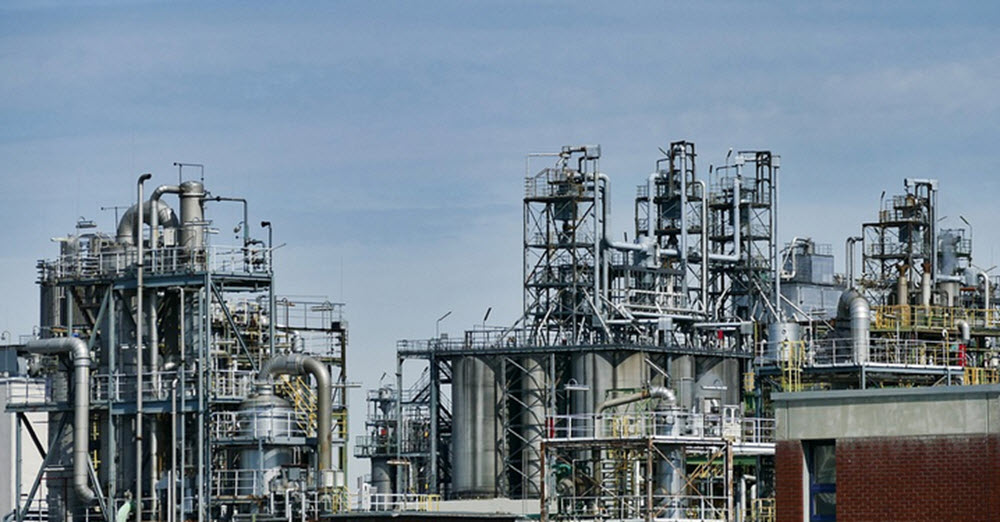
Kurdish oil exports Resumes
Oil exports from the Kurdistan Region to the Turkish port of Ceyhan will recommence following…
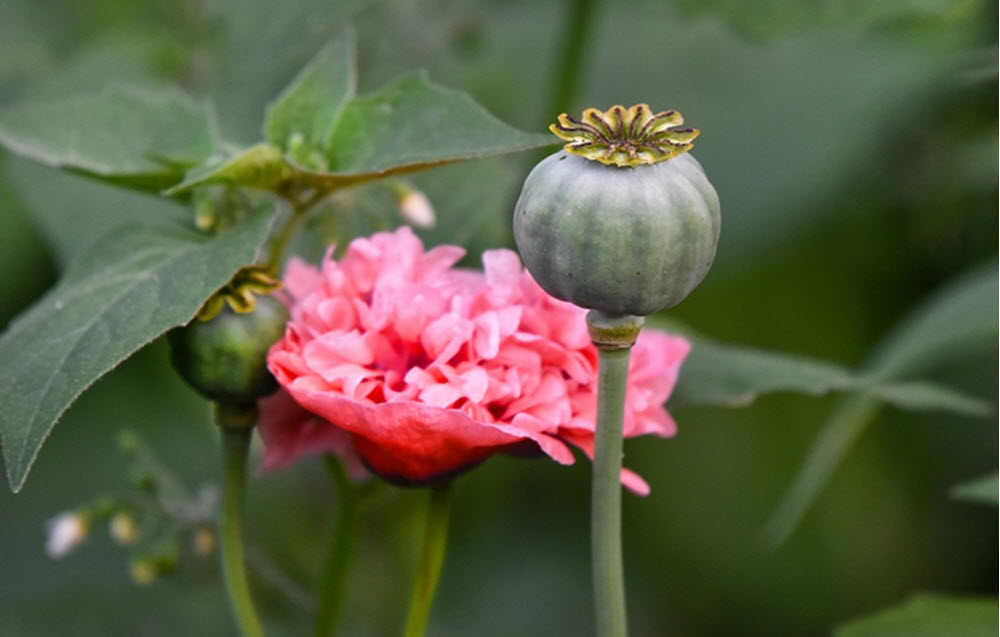
Kurdistan Regional Government (KRG) establish a Drug and Psychotropic Substances Fund
The Kurdistan Regional Government (KRG)’s Ministry of Finance and Economy has created a Drug and…
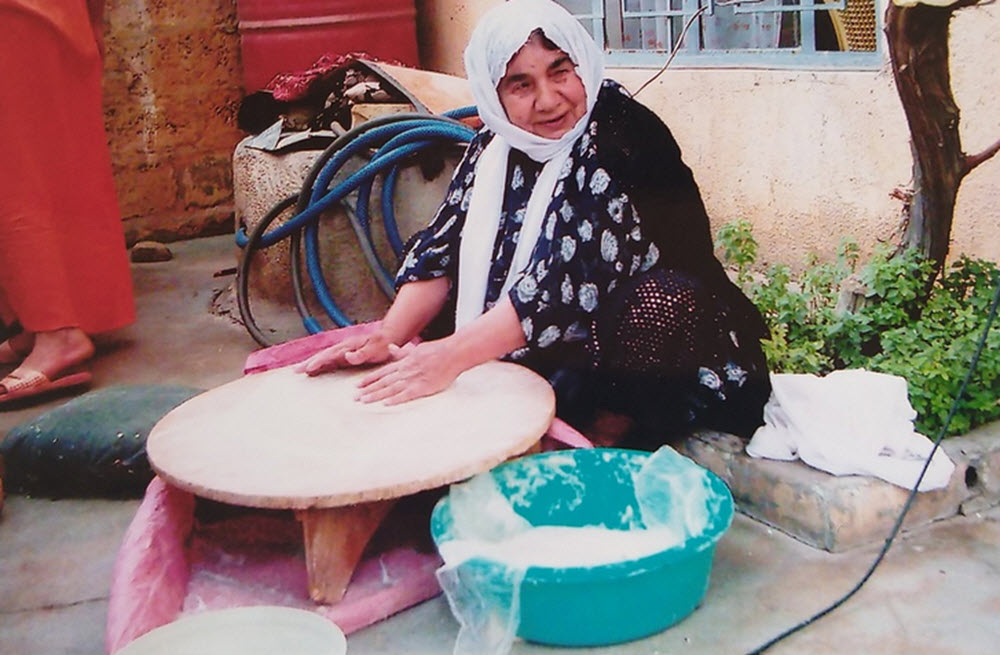
Female street vendor eyes financial independence
In the Sulaimani province of the Kurdistan Region, a mother strives for financial independence to…
$10 billion Foreign investment in Kurdistan
The Kurdistan Regional Government (KRG)’s Board of Investment has released data showing that since 2006,…
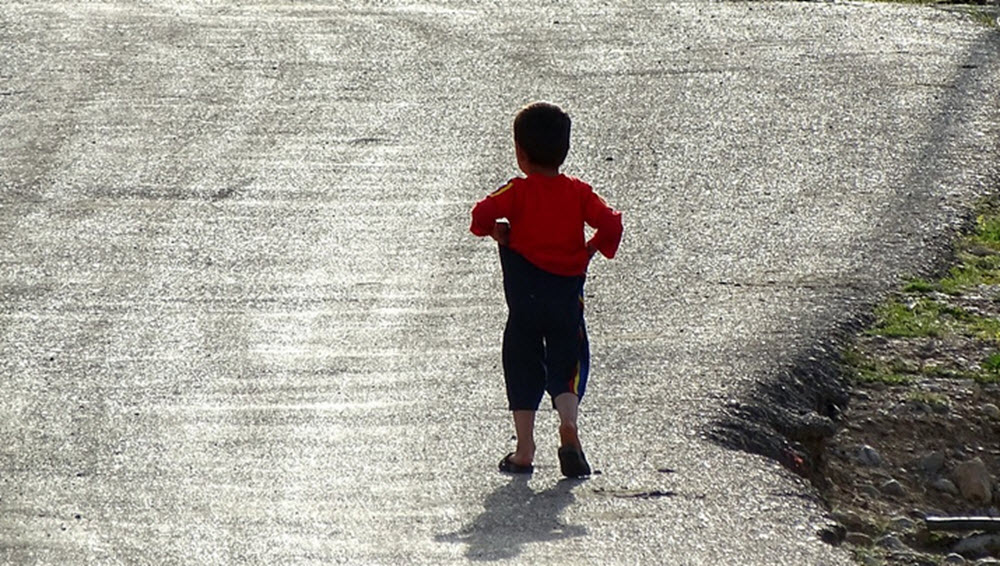
Kurdistan Region reaffirms commitment to dignified return of internally displaced persons (IDPs)
According to a statement from the Ministry of Interior, the Kurdistan Region reaffirms its enduring…
Geography: A Tapestry of Natural Wonders
The landscape of Kurdistan is characterized by its rugged mountains, fertile valleys, and winding rivers, creating a stunning array of natural beauty. The Zagros and Taurus mountain ranges, which dominate the region, have historically provided the Kurds with natural barriers and strategic advantages. The region also boasts a diverse climate, ranging from cold winters in the mountainous areas to mild and temperate conditions in the plains.
Several significant rivers, including the Tigris and Euphrates, flow through Kurdistan, providing essential water sources for agriculture and human settlements. The fertile lands surrounding these rivers have supported human habitation for thousands of years, resulting in a rich tapestry of archaeological sites and historical landmarks.
Cities
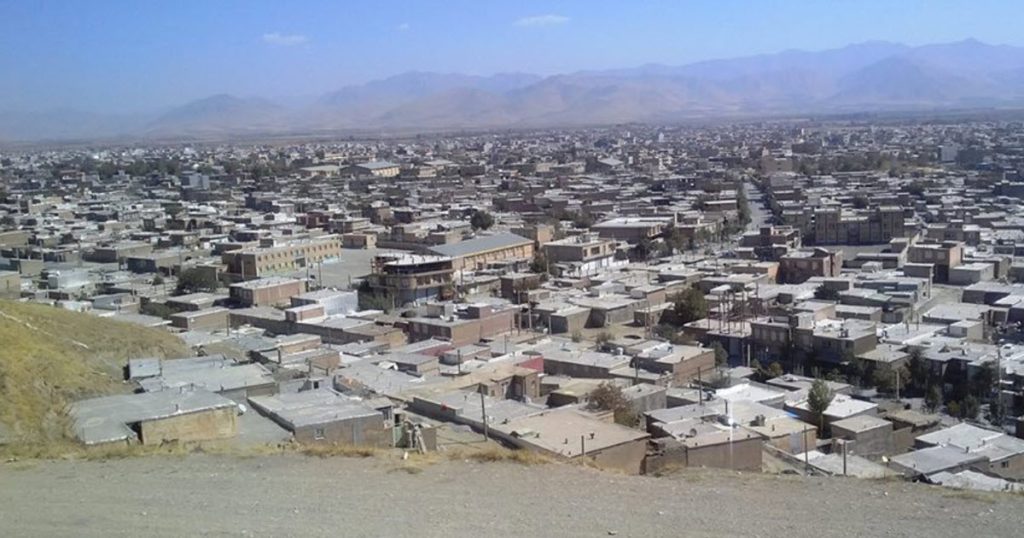
Piranshahr city
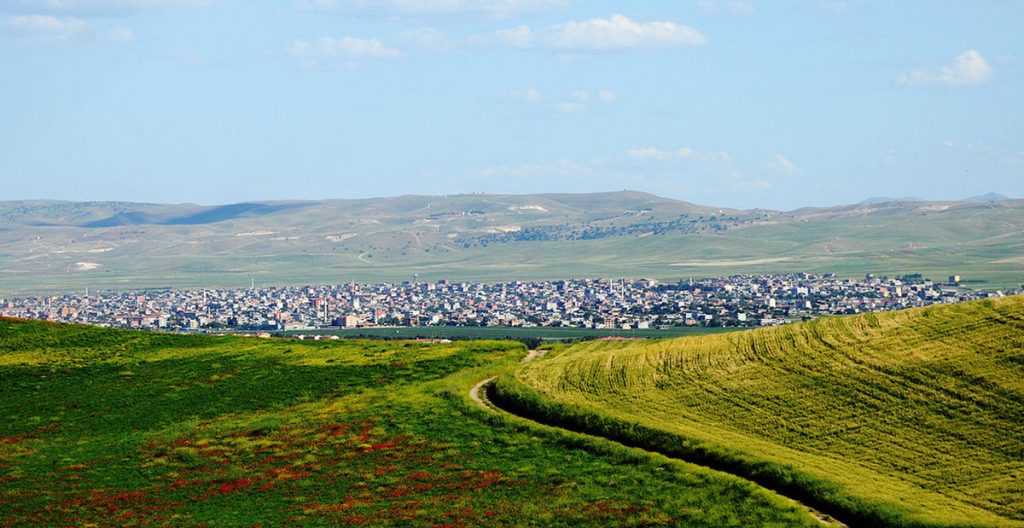
Batman City
People: The Kurds and Their Culture
The Kurds, an Indo-European ethnic group, are the predominant inhabitants of Kurdistan, numbering around 30 to 40 million people. They are primarily Sunni Muslims, with smaller groups of Shia Muslims, Christians, and adherents of the ancient Yazidi faith. The Kurdish language, belonging to the Iranian branch of the Indo-European family, has several dialects, with Kurmanji and Sorani being the most widely spoken.
Kurdish culture is a vibrant blend of ancient traditions and modern influences. The Kurds have a strong oral tradition, with epic poems, tales, and proverbs passed down through generations. Music and dance play a significant role in their cultural expression, with the dengbêj (bardic) tradition and the lively Kurdish dance, Halparke, being particularly noteworthy. Traditional Kurdish clothing, characterized by bright colors and intricate embroidery, is still worn during festive occasions and celebrations.
Ad:

History: A Timeline of Struggle and Resilience
The history of Kurdistan and its people is a tale of endurance and resistance. The Kurds trace their origins to the ancient Medes, an Iranian people who established the Median Empire in the 7th century BCE. Over the centuries, Kurdistan has been ruled by various empires, including the Assyrians, Achaemenids, Parthians, Sassanids, and Byzantines. Throughout this tumultuous history, the Kurds have fiercely maintained their distinct identity.
The Emergence of Kurdish Principalities
During the early Islamic period, the region saw the rise of several semi-independent Kurdish principalities, such as the Shaddadids, Marwanids, and Ayyubids. These dynasties played a crucial role in shaping Kurdish history and contributed significantly to the Islamic Golden Age. The most famous Kurdish figure from this era is Saladin, who founded the Ayyubid dynasty and recaptured Jerusalem from the Crusaders in 1187.
Ottoman and Safavid Empires
By the 16th century, Kurdistan was caught in the crossfire between two regional powers, the Sunni Ottoman Empire and the Shia Safavid dynasty of Persia. The region became a battleground for these empires, with Kurdish territories frequently changing hands. During this period, the Kurdish people were granted some degree of autonomy under the Ottoman millet system, which allowed religious and ethnic minorities to govern themselves under their own laws and traditions. The Kurdish principalities maintained their distinct identity, even as they were often caught in the struggle between the two empires.
World War I and the Promise of Independence
Following the defeat of the Ottoman Empire in World War I, the Kurds were promised an independent state in the Treaty of Sèvres (1920). However, the subsequent Treaty of Lausanne (1923) reneged on this promise, and Kurdistan was divided among Turkey, Iran, Iraq, and Syria. This division marked the beginning of a new chapter in Kurdish history, characterized by a persistent struggle for autonomy, self-determination, and cultural rights.
The Kurdish Struggle for Autonomy
Throughout the 20th century and into the present day, the Kurds have faced significant challenges in their quest for autonomy. In each country that encompasses Kurdistan, the Kurds have experienced varying degrees of repression and marginalization, leading to numerous uprisings and rebellions.
Turkey
In Turkey, the Kurdish struggle has been particularly fraught, with the Kurdistan Workers’ Party (PKK) launching a guerilla campaign against the Turkish state in 1984. The conflict has claimed tens of thousands of lives and remains unresolved.
Iraq
In Iraq, the Kurds faced brutal repression under Saddam Hussein’s regime, including the infamous Anfal campaign, which killed tens of thousands of Kurds and destroyed countless villages. However, the 1991 Gulf War and the subsequent establishment of a no-fly zone over northern Iraq allowed the Kurds to create a semi-autonomous region, known as the Kurdistan Regional Government (KRG).
Iran & Syria
In Iran and Syria, the Kurds have also faced significant challenges, including political repression, forced assimilation, and denial of basic rights. Despite these obstacles, Kurdish political and cultural movements have persisted in their struggle for recognition and autonomy.
Contemporary Kurdistan: A Region in Flux
Today, the situation in Kurdistan remains complex and ever-changing. The Iraqi Kurds have achieved the greatest degree of autonomy, with the KRG functioning as a semi-independent entity with its own government, military, and foreign relations. However, the dream of an independent Kurdish state remains elusive as regional powers continue to resist Kurdish aspirations for self-determination.
The ongoing civil war in Syria has created new opportunities and challenges for the Kurds. The Democratic Union Party (PYD) and its armed wing, the People’s Protection Units (YPG), have carved out an autonomous region in northern Syria, known as Rojava. While they have successfully defended their territory against the Islamic State and other hostile forces, the future of Rojava remains uncertain, given the complex web of regional and international interests at play.
As the Kurds continue to navigate the challenges of the 21st century, their resilience, culture, and history remain sources of inspiration and pride. In a world of shifting borders and geopolitical turmoil, the story of Kurdistan stands as a testament to the enduring human spirit and the power of collective identity.